BLOOD COLLECTION TUBES

BLOOD COLLECTION TUBES

Blood Collection Tube Guide

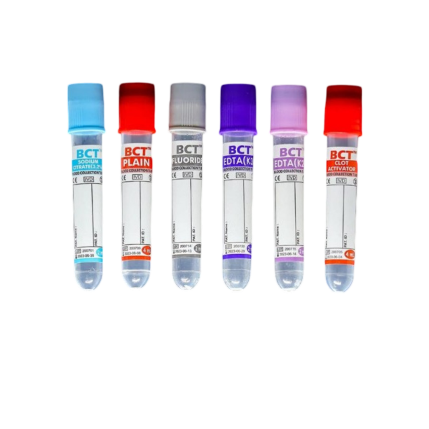
Cap Color Additive Specimen Type Common Laboratory Tests
Purple / Lavender EDTA (K2 or K3) Whole Blood / Plasma CBC, HbA1c, ESR, Blood Film, Blood Typing
Light Blue Sodium Citrate (3.2%) Plasma Coagulation Studies (PT, APTT, INR, D-Dimer)
Red None or Clot Activator Serum Drug Levels, Serum Chemistry, Serology, Viral Studies
Gold / Tiger Clot Activator + Gel (SST) Serum Chemistry Panels, Thyroid, Lipid Profile, Liver Function
Green Lithium / Sodium Heparin Plasma Electrolytes, STAT Chemistries, Ammonia, ABGs
Gray Sodium Fluoride + Oxalate Plasma Glucose (Fasting/GTT), Lactate, Blood Alcohol
Pink EDTA (Spray-coated) Whole Blood Blood Bank, Cross-matching, Antibody Screen
Royal Blue None or EDTA / Heparin Serum or Plasma Trace Elements (Lead, Zinc, Copper), Toxicology
Yellow ACD or SPS Whole Blood DNA Testing (ACD), Blood Cultures (SPS)


Description of Tube Types

  • Anticoagulant Tubes (Plasma/Whole Blood): These contain chemicals like EDTA, Heparin, or Citrate that prevent the blood from clotting. After centrifugation, the liquid portion is called plasma, which still contains all clotting factors.
  • Serum Separator Tubes (SST): These tubes (Gold/Red) contain a clot activator to speed up the natural clotting process. Gold tubes also contain a thixotropic gel that moves between the cells and serum during centrifugation, creating a physical barrier that prevents contamination of the serum.
  • Glycolytic Inhibitor Tubes: The Gray tube is unique because it contains Sodium Fluoride, which stops red blood cells from consuming the glucose in the sample. This ensures that the glucose reading is accurate even if the sample isn’t tested immediately.

Key Features

  • Standardized Color Coding:.
  • Vacuum Technology:
  • Order of Draw:
  • Safety Closures:

Send Inquiry